Table Of Content
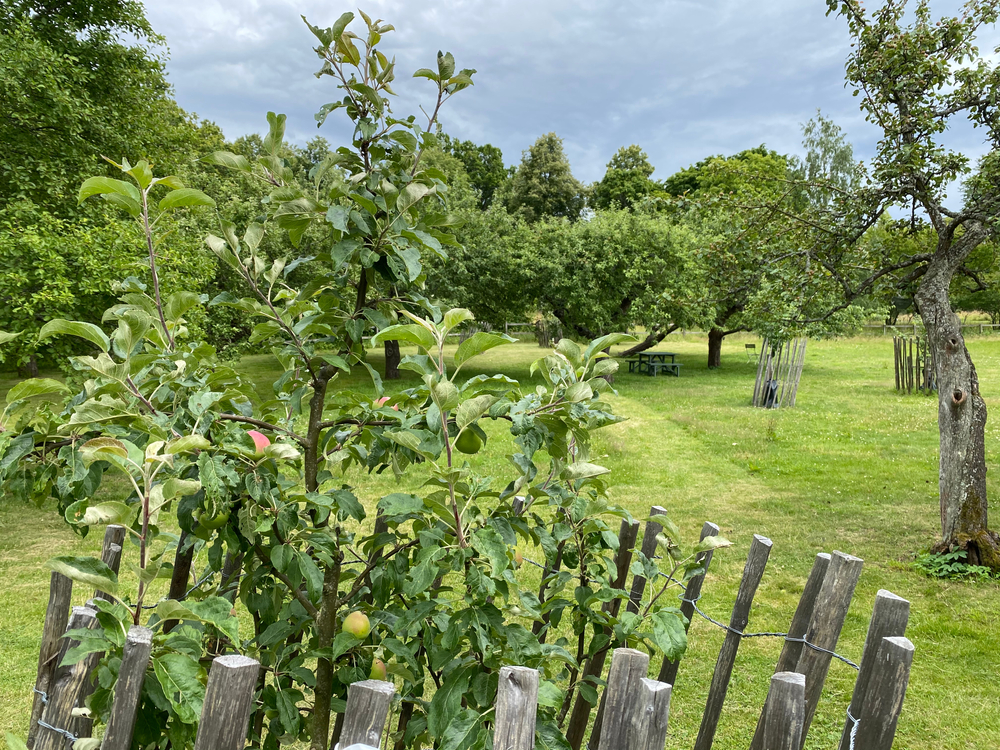
By implementing a well-rounded pest and disease management plan, you can ensure the health and vitality of your fruit trees. Water is essential for the survival and proper growth of fruit trees. When designing your orchard, it is important to consider the water availability and plan for an efficient irrigation system. Different fruit trees have different water requirements, so it is crucial to choose varieties that are suitable for the water availability in your area. Garden boundaries can be planted up with fruiting hedges or wall- or fence-hugging espaliers or fans. A row of cordon fruit trees can be used to provide a screen between different areas of your garden.
Soil Type and Quality
Choose varieties that are adapted to your climate and soil type and that are resistant to pests and diseases. To obtain the scion/rootstock combinations best suited to an orchard plan, order trees 2 to 3 years ahead of planting. Ordering virus-tested trees with healthy root systems ensures a good start for a sustainable production system.
The science and design behind Apple's innovation-obsessed new workspace - CNBC
The science and design behind Apple's innovation-obsessed new workspace.
Posted: Thu, 14 Sep 2017 07:00:00 GMT [source]
Streamline Your Garden This Year with the Savvy Seed Tracker
Orchards should be planted as early in the spring as the ground can be worked or in late fall in regions where sudden drops in temperature are unlikely. Trees may be planted by a variety of methods provided close root-soil contact is secured and the trees are not planted too deeply. To prevent scion rooting, the bud union of dwarf trees should be 3 inches above the soil line.
What Are Apple Orchard Trellis Systems?
However, where there is heavy clay, some soil remediation at depth will be needed to stop waterlogging. She is passionate about growing food for her family and living a simple life. Check out our video (above) to watch us try our hands at growing lemons.

You’ll run into problems if the hole doesn’t drain within four hours after either the first or second filling. As much as you might be dreaming of a backyard filled with apples alongside citrus trees, what you can grow will be primarily dictated by your hardiness zone. When most people think of an orchard, they picture acres of uniform trees towering twenty feet or more into the sky.
Commercial and residential trellis systems enable you to maximize space and produce higher fruit yields. Common apple trellis designs include the tall spindle system, the v-trellis system, and the espalier support system. For drip irrigation, start irrigating in early spring before much soil moisture has been used because this stored water may be needed later in case the system is accidentally shut down. Soil type or depth is almost inconsequential, and only 10–20% of the rooting area need be wetted for good tree performance.
Want to Receive Alerts When Pests are Heading Your Way?
40 Backyard Wedding Ideas That Are Anything But Casual - Brides
40 Backyard Wedding Ideas That Are Anything But Casual.
Posted: Tue, 04 Apr 2023 07:00:00 GMT [source]
A grower begins by locating a soil map and by digging test holes to examine the soil profile. Soil maps provide useful information on soil texture, parent material, native fertility, erosion levels, and water-holding capacity. If checked several times during a rainy period, test holes will yield valuable information on the soil water table. When implementing companion planting or guilds, it is important to consider the compatibility of plants and their specific requirements.
Run times can be calculated (from the Guide), multiplied by number of days between irrigation intervals. Whether today’s trees are remnants from yesterday’s orchards, or simply abandoned for other reasons, pruning may look like an impossible task. In some cases, these trees can be rejuvenated and made functional in the home orchard or landscape. October/November if you are planting whips (1- to 2-year-old seedlings).
Creating well-defined orchard zones is crucial for the successful management and organization of a fruit tree orchard. In this section, we will explore the different zones that can be established in an orchard and their significance. When planning an orchard, it is crucial to consider the appropriate spacing for different fruit trees.
I’ll also point you toward additional resources that will help you broaden your knowledge about starting a permaculture orchard. In Stefan’s case, members pay an annual fee of $55, which entitles them to come and pick up at all of his open days. They can also attend the tours for free and order meat that Stefan produces. They may be able to buy from a small roadside stand at twice the U-pick price when Stefan has extra produce. Miracle Farms is the largest and the most developed example of a commercial permaculture orchard in Eastern North America.
The traditional rectangular layout is a popular choice for fruit tree orchards. This layout involves planting rows of trees in a straight line, creating a clean and organized appearance. The rectangular layout is efficient and allows for easy access to the trees for maintenance and harvesting. It also maximizes space utilization, making it suitable for commercial orchards where large quantities of fruit need to be produced.
Finally, don't forget to consider your own preferences when it comes to fruit trees. Take the time to think through these questions and make informed decisions about which trees to plant. After all, you want to make sure that you're planting an orchard that you'll enjoy for years to come.
Drought stress will reduce fruit size and stunt growth especially in young trees. If the water status of the plant is severely deficient the leaves will wilt, curl, and sunburn. The fruit can be dramatically affected, too, through reduction in size, water loss and shrivel, and sunburn.
A single tree can give you fresh fruit for a decade or more, so multiply that by an orchard, and you’ll rarely (if ever) be in want of homegrown fruit. Some owners think that berry trees are generally better arranged along the plot boundaries. In this case, part of the land is cleared for other crops or areas (recreation, sports, etc.). This planning is appropriate if the plot is not enclosed by a green fence or if the berry bushes themselves can serve this purpose with their own characteristics (thorny, lush, etc.).


No comments:
Post a Comment